Azure DevOps Two-Way Integration

Share the article 

The integration between PractiTest and Azure DevOps allows users to report issues from PractiTest test runs directly to Azure, link issues from the Azure project to a test step In PractiTest, import Azure tickets as Requirements in PractiTest, and sync issues into PractiTest from the Azure project. Tickets’ names, descriptions, and states are synced when the integration is configured.

These are important points to know and to prepare up-front before setting up the integration:

  • The configuration needs to be done by PractiTest’s Account Owner.
  • To configure the integration, you need to create a long-term personal access token in Azure DevOps by following the steps on this page.
  • The user that creates the token must have permission to create work items in the relevant project inside Azure DevOps.
  • The token must have permission to read and write work items.

Table of Contents

Account Integration Settings

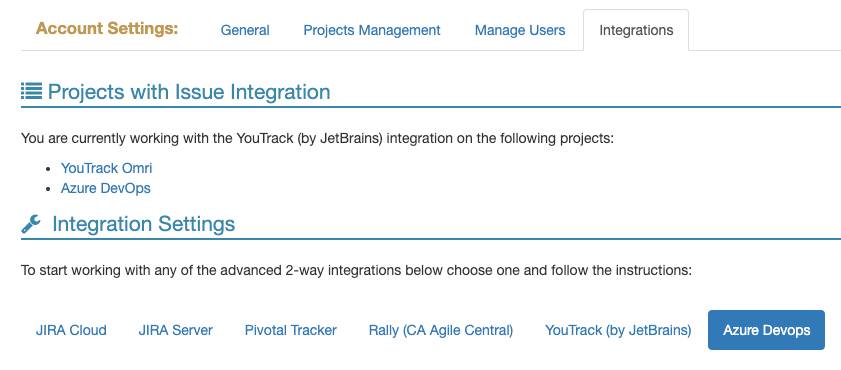
  1. Start in PractiTest Account Settings, and select the Integrations tab. Then, click on ‘Create a new 2-way account integration’.new 2-way integrationThen select ‘Azure Devops’ from the options menu and click on ‘Create a new Azure Devops integration’: Azure DevOps Integration Token
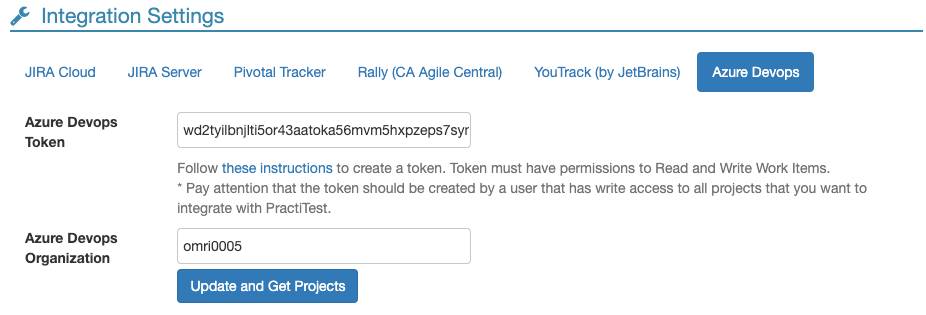
  2. Paste the personal token you have created from your Azure DevOps project in the indicated box, and fill in the Azure DevOps Organization in the indicated box. Then click on “Update and Get Projects”:Azure authentication
  3. Create a unique prefix for your project by clicking on:Select Prefix
  4. Enter a unique prefix for each of the integrated projects (between 1-4 characters), and click on ‘Update Projects Prefixes’.
  5. Create a project service hook for every project you want to integrate with PractiTest. In Azure, go to Project settings – service hooks, and create a new subscription. Then, select the ‘Work item updated’ item for the ‘Trigger on this type of event’ field, and click on next. Finally, paste the webhook you got from the PractiTest integration settings page, and click on finish.
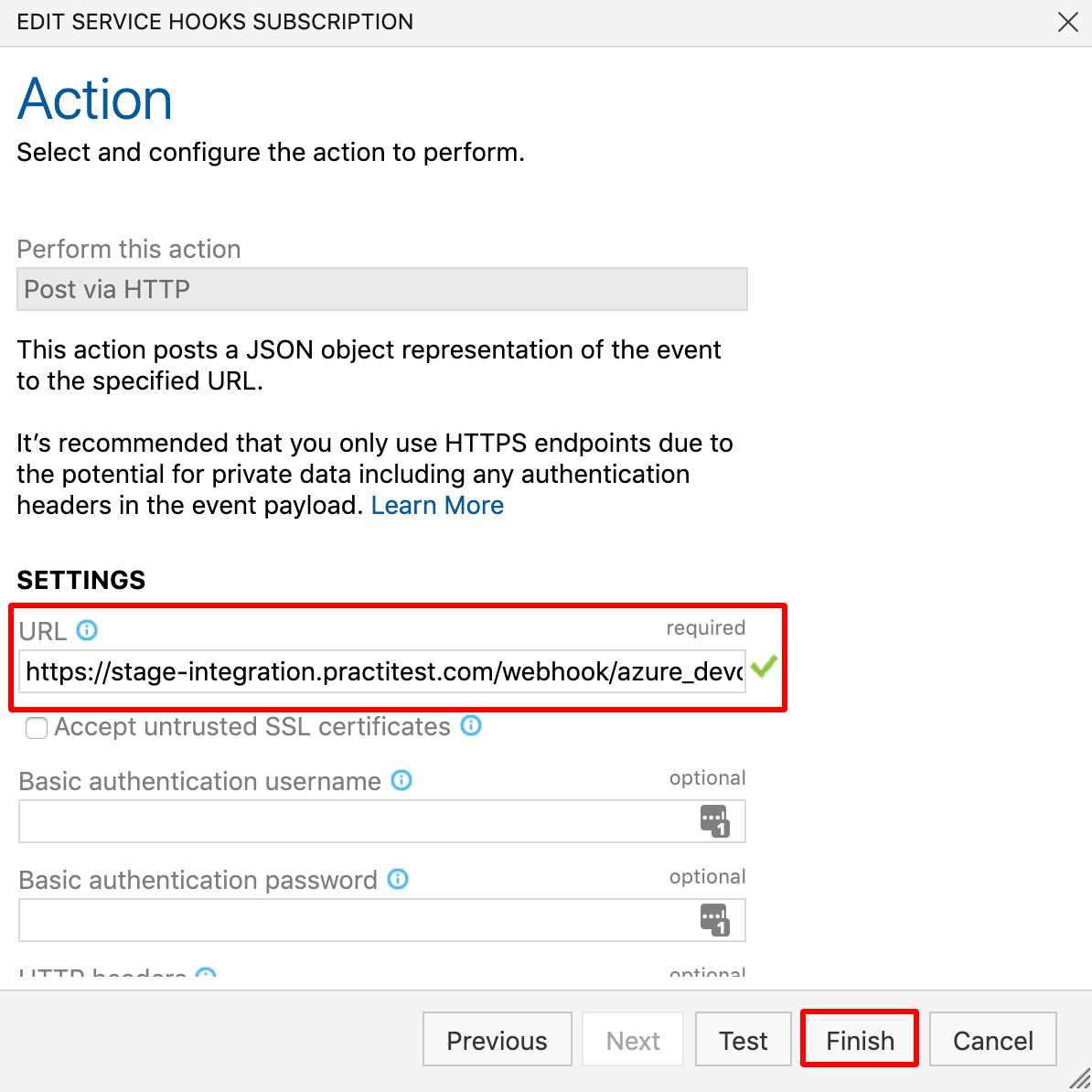
Create webhook

6.Project Settings – For each of the PractiTest projects you want to integrate with your Azure instance, you need to activate the integration at the project level. In order to enable the integration, go to Project Settings, select the Integrations tab, and activate the issue integration support.
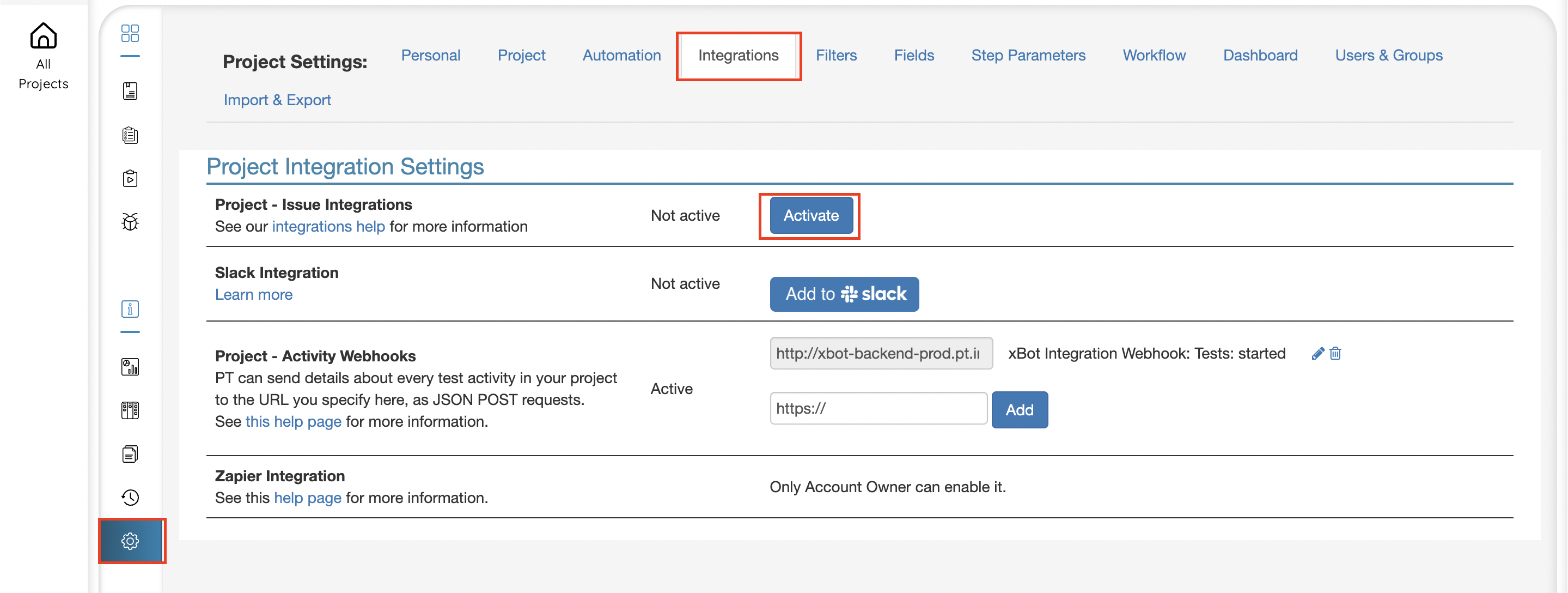
project-settings-clickup-integration.png

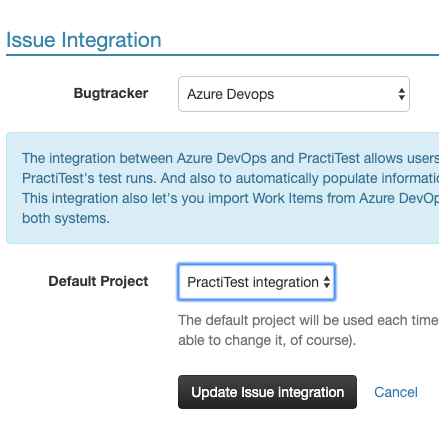
Then, select ‘Azure DevOps’ from the dropdown list, and click on ‘Update Issue integration’.

Bugtracker selection

Configuring Azure DevOps Project and Work Item Types

In order to sync work items between Azure DevOps and PractiTest, you first need to define which Azure DevOps projects and work item types will be mapped to your PractiTest project.

To configure this:

  1. Go to Project Settings in PractiTest.
  2. Open the Integrations tab.
  3. Select Azure DevOps Integration.

In the Azure DevOps Project Info and Issue Types section, you can define:

  • Azure DevOps Projects – Select the Azure DevOps project(s) you want to sync with your PractiTest project.
  • Work Item Types – Choose which work item types (such as User Story, Bug, Task, etc.) will be mapped and synced with PractiTest entities.
azure devops integration

This configuration determines which Azure DevOps work items can be imported, linked, or created from PractiTest during test execution or issue reporting.

PractiTest Panel Settings

The PractiTest panel in Azure DevOps is officially available and can be downloaded directly from the Azure DevOps Marketplace.

1. Install PractiTest Extension

  • From the Azure DevOps Marketplace, click on ‘Get if free’ button to download the panel extension.
  • After installation, a confirmation screen will appear when the extension is successfully activated.


2. Configure the Connection

  • Go to Organization Settings → Extensions → PractiTest.
  • Configure the following:
    • Base URL: Enter the Base URL for your PractiTest environment (US or EU)
    • API Token: Retrieve the token from Account Settings → API Tokens in PractiTest.
azure-panel-2

3. Configure Azure Layouts at the Process Level

  • By default, the PractiTest panel is added to all work items layouts within each process.
  • Azure admin users can customize this by:
    • Selecting specific processes where the panel should appear.
    • Defining which work item types (e.g., User Stories, Bugs) will include the panel and where it should be positioned in the form.
  • Navigate to Organization Settings → Process to make adjustments.

Example: To adjust the panel in the User Story Layout within a process, go to the process settings. You can choose to reposition or remove the PractiTest panel if it is not needed for that process.

azure-panel-3

4. Final View

  • Once configuration is complete, the PractiTest panel will be visible on all work items configured within Azure DevOps.
azure-panel-4

Viewing Covering Test Information

If the Azure DevOps work item is synced to a PractiTest requirement and covered by tests, you will have a link to the tests covering the requirement. You can view detailed information, including the test steps, last run date, last run status, and test author. Additionally, the Requirement Status Bar provides a visual representation of the statuses of all tests linked to the requirement, with each status represented by a distinct color and proportional segment size.

Requirement Status Bar in Azure DevOps

Creating a New Test with Steps

If your Azure DevOps project is integrated with PractiTest, you can now create a new test with steps directly from a User Story in Azure DevOps.

Clicking on the ‘Create Test with Steps’ button in the PractiTest panel will automatically generate a new test in PractiTest, including the test name, description, and AI-generated steps, linked to the Azure DevOps story.

Note: This feature uses the Smart Fox AI assistant, which must be enabled in your PractiTest account. Your account owner must accept the AI usage terms in order to activate this capability.

Fail & Issue – Report Issues to Azure DevOps

After the integration is configured, you can create issues directly to your Azure project from a test run in PractiTest, by using the Fail & Issue option.

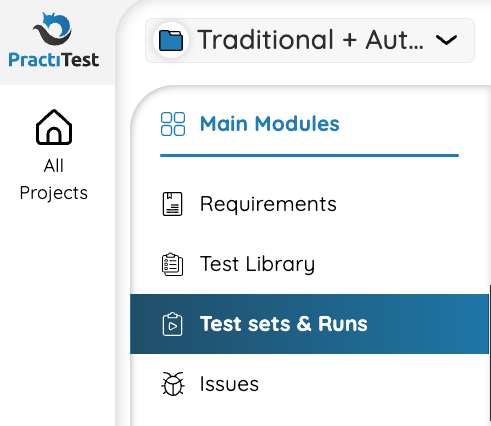
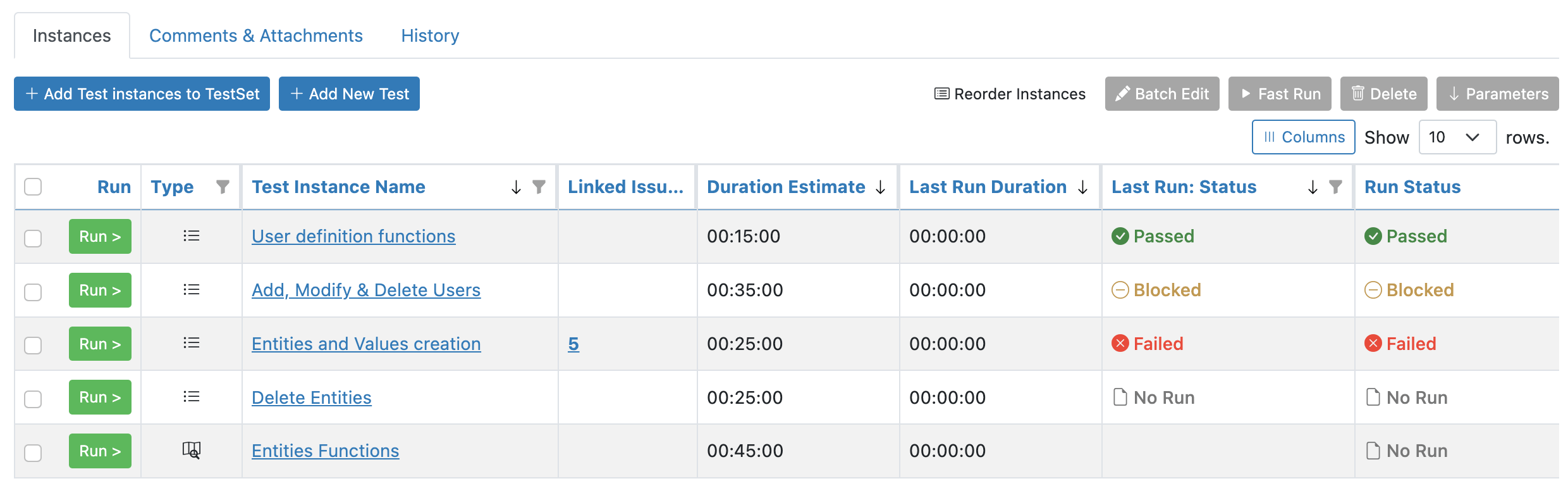
  1. Go to the Test Sets & Runs tab and select a test set
  2. Choose an instance to run.
Test Instances Grid

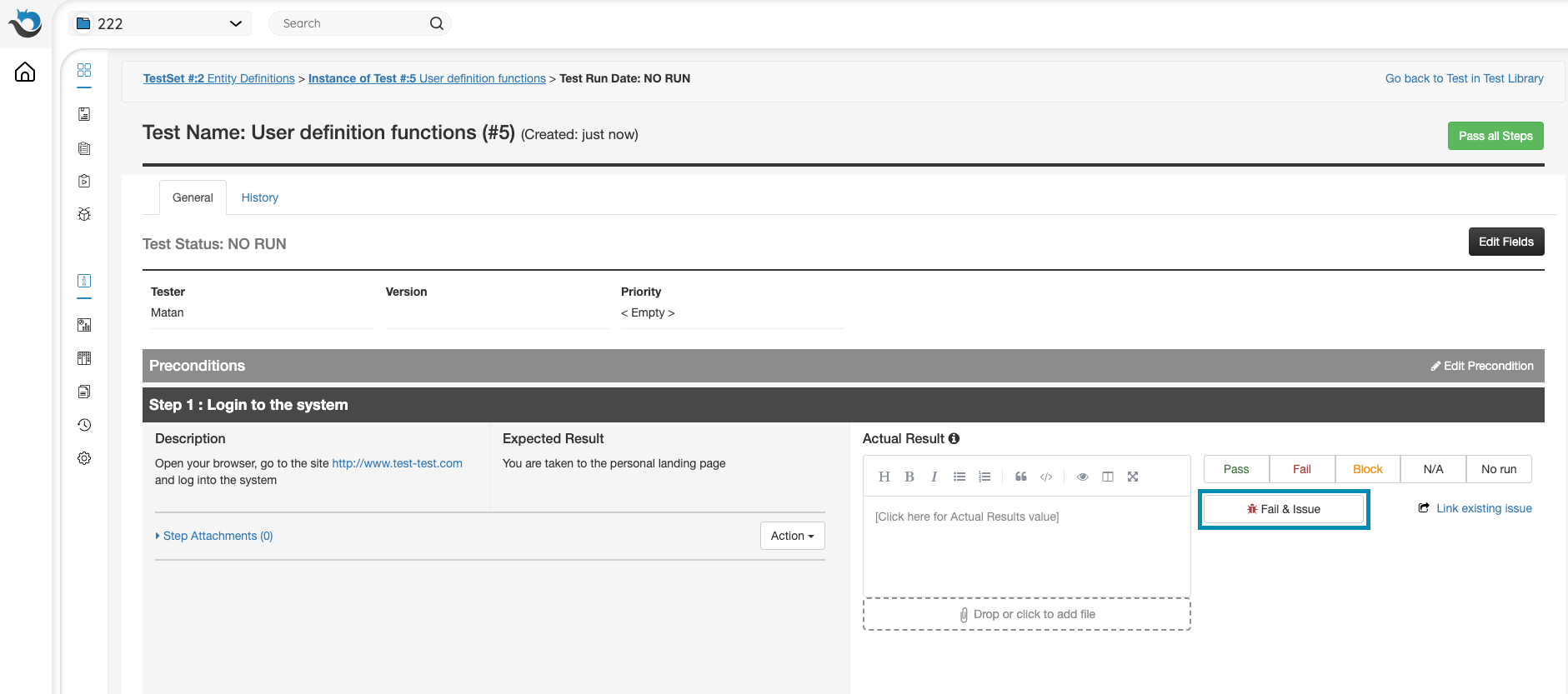
3. Click ‘Fail & Issue’ under the relevant step.

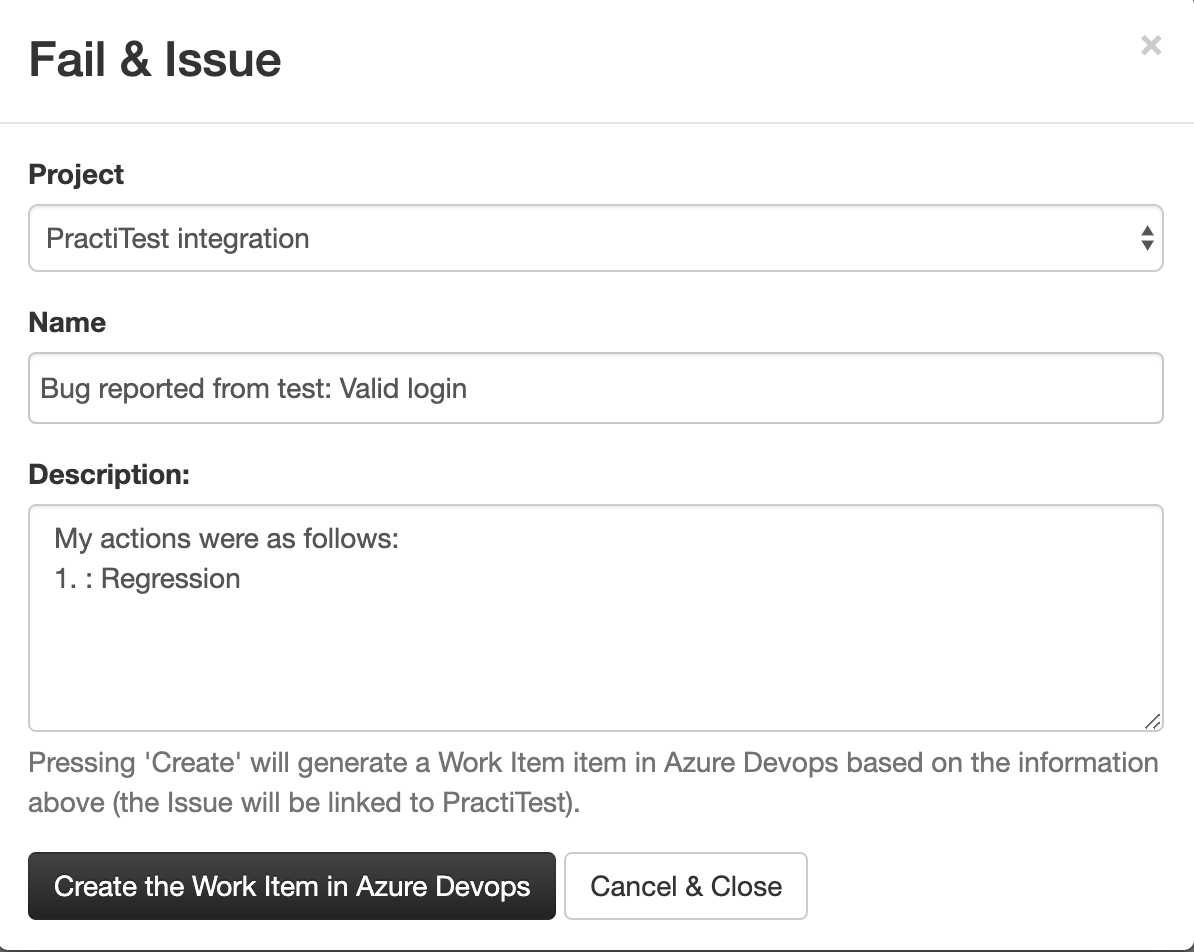
4. A modal window will open where you can define the issue details. In this window, you can configure the following:

  • Azure DevOps Project – Select the project where the issue will be created.
  • Entity Type – Choose the type of work item to create in Azure DevOps (for example, Bug, Task, etc.).
  • User Story ID (optional) – If you want to report the issue under a specific User Story, enter the User Story ID in this field. The issue will then be created as a child item under that User Story in Azure DevOps (This option is available only if the Azure project is configured to allow this relationship).
  • Issue Name – Enter the title of the issue.
  • Description – Includes the information entered in the Actual Result field of the failed step during the test run.

Once the details are filled in, proceed with creating the issue. The bug will be created in Azure DevOps according to the selected configuration.

The new Azure Work Item will be connected to a new PractiTest issue. The Name, Description, and Issue’s state in Azure will be synced to the equivalent PractiTest’s issue.

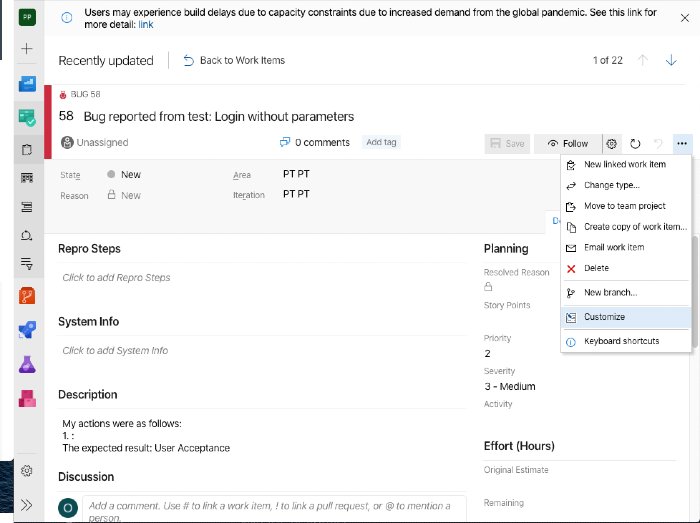
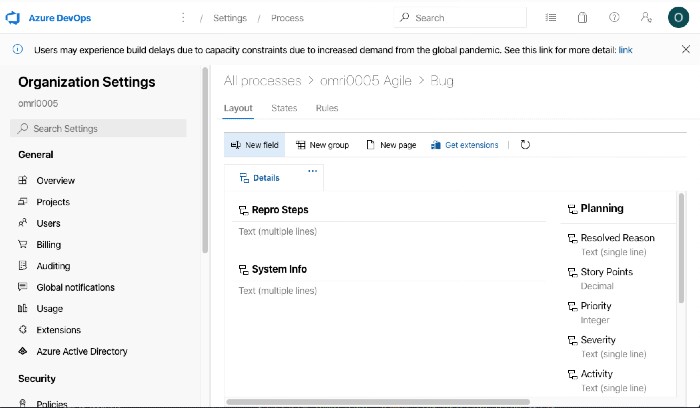
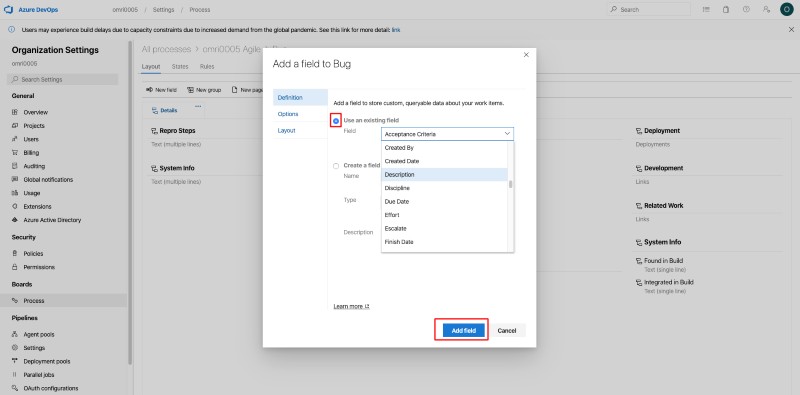
If the description field is not visible in your Azure work items by default, you can add it to the relevant work item type (the integration works with the ‘Bug’ item type) by following these steps:

  1. Click on the three dots on the top right corner of your screen, then select ‘Customize’.Customize work item
  2. Click the ‘New Field’ button at the top of the screen.Add new field to work item
  3. Check the ‘Use an existing field’ checkbox, then select ‘Description’ from the drop-down list. Click on ‘Add field’.Add an existing field to work item

Note: if you don’t see all Azure DevOps projects you integrated with PractiTest when creating a new issue, please go to the Account Settings – Integrations tab – press on the ‘Update and Get Projects’ button.

The link existing issue option allows you to link issues that already reside in your PractiTest project. If you want to link a work item directly from Azure, you can import it from within the test run, and link it to the test step.
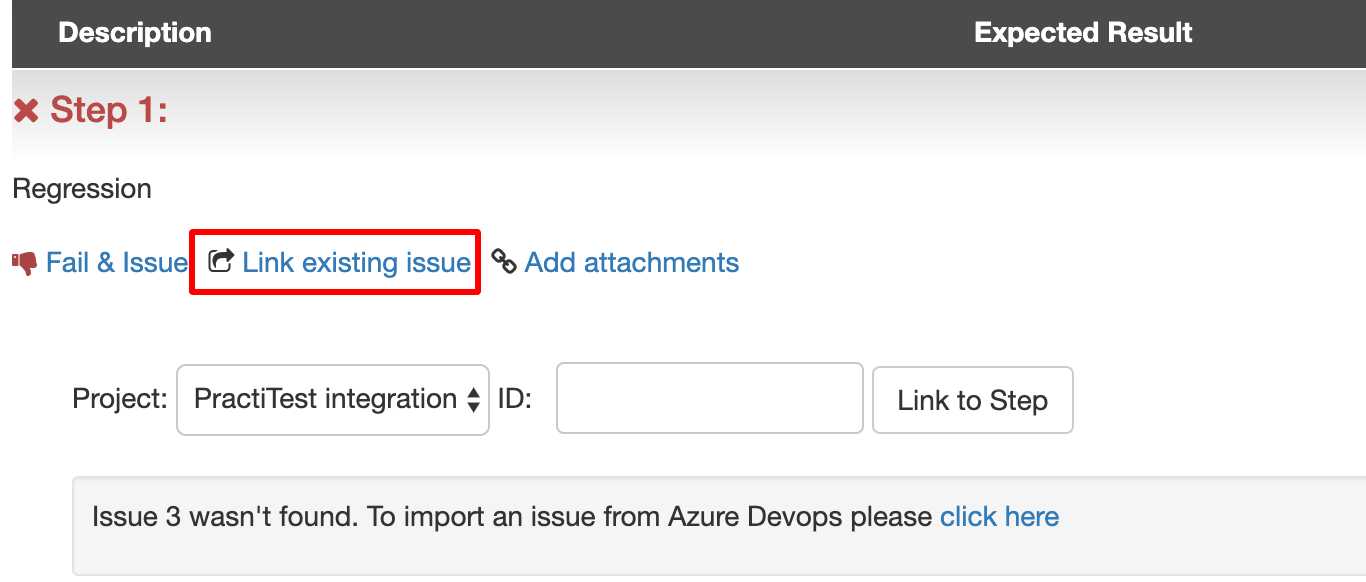
Importing Requirements

Click on the down arrow next to the ‘New Requirement’ button and select the ‘Import a Requirement’ option. This will help you choose any work item you want to import into PractiTest. You can import work items in bulk, by separating their IDs by commas. After the work item was imported, you can link it to your test cases via the Traceability tab in order to create traceability links between them.

Note: When importing requirements, state the work item system ID in Azure without the Prefix you selected when configuring the integration (numeral values only).
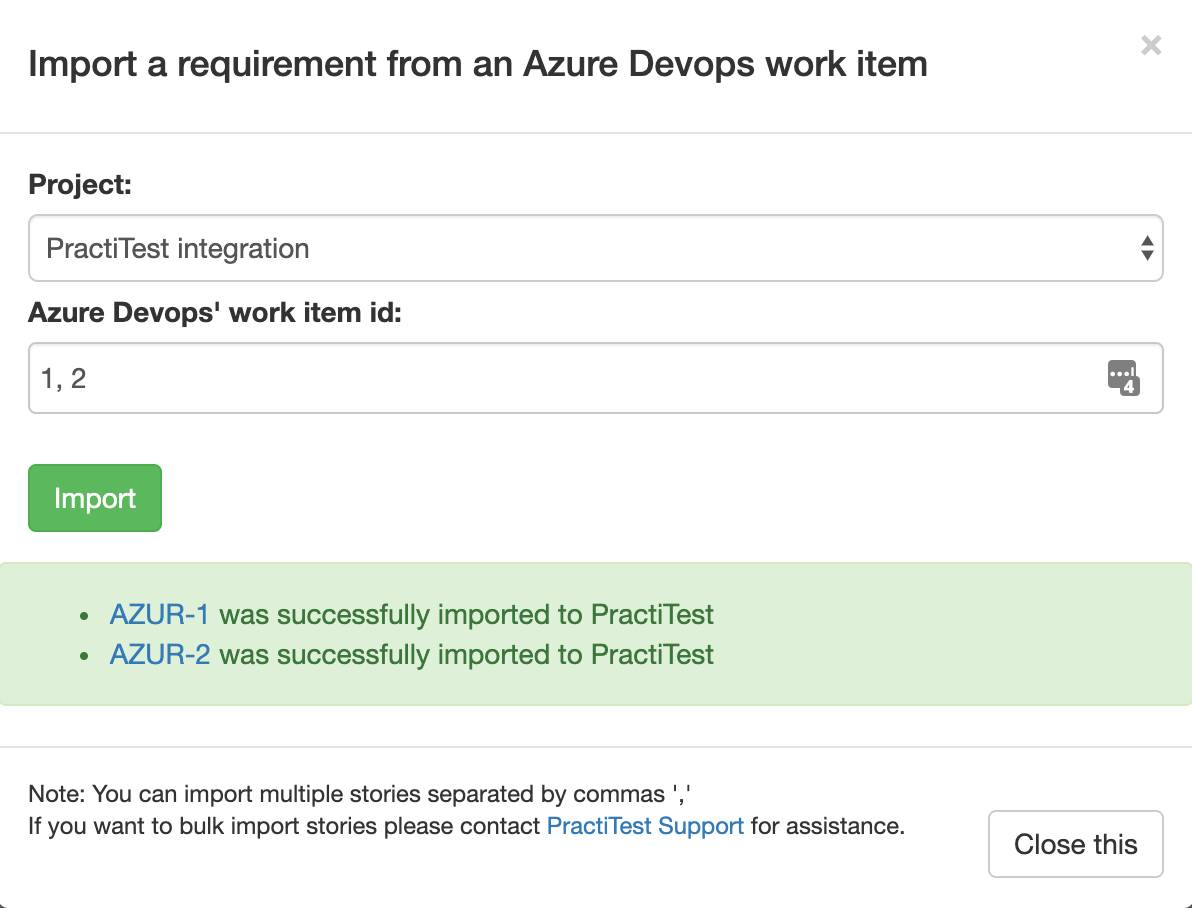
Import requirements

Synchronizing Issues

If you want to import existing work items from Azure DevOps as Issues in PractiTest, you can click on the down arrow next to the ‘New Issue’ button, and select ‘Sync a new Issue from Azure DevOps’. Paste the numeral value of your Azure DevOps work item/s. You can Sync issues in bulk, separated by commas.
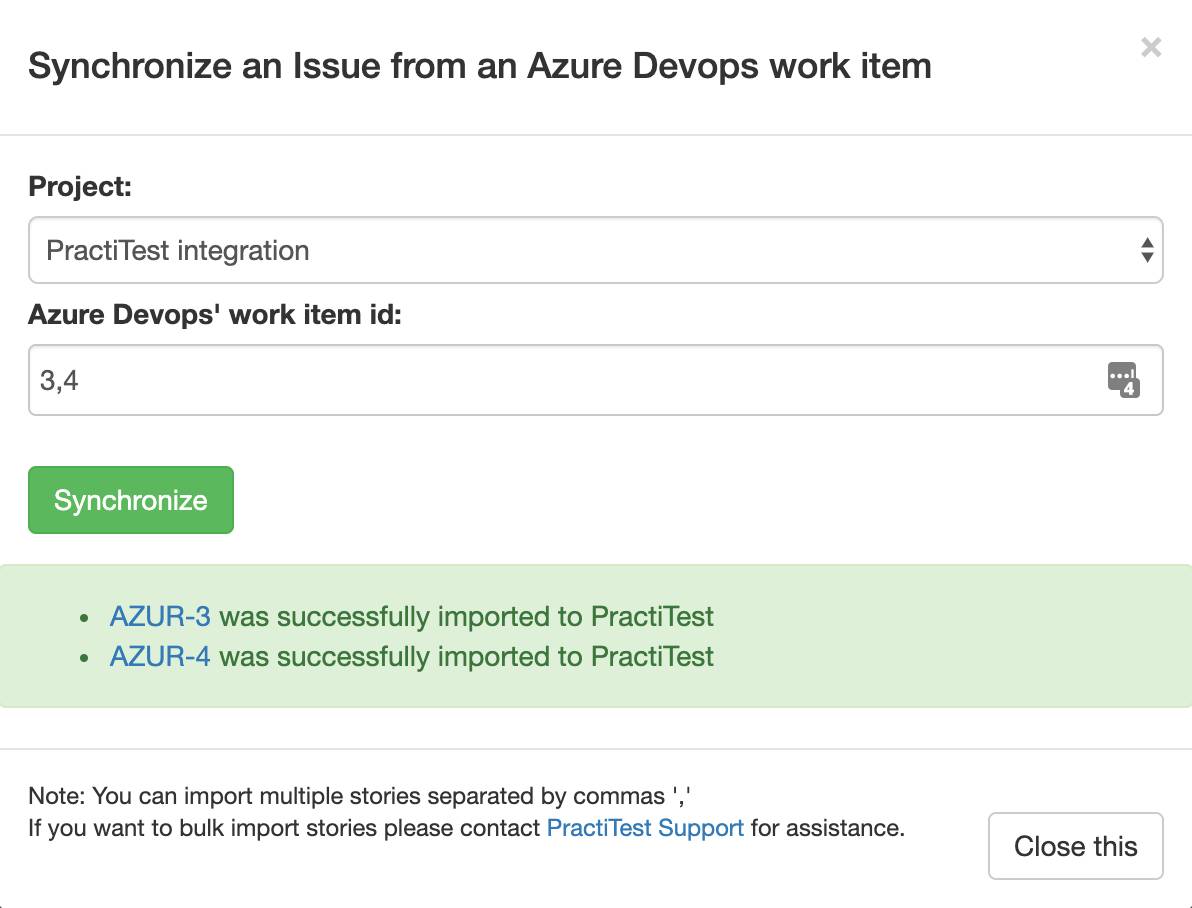
Synch issues

Field Mapping

Note: Field sync needs to be configured for each PractiTest project separately.

In the project settings, navigate to the Integration tab and choose ‘Azure DevOps project mapped fields’.

Azure DevOps - Fields Mapping

1. Choose the Azure field you want to map. You can map the following fields to PractiTest:

Field Type in Azure DevOpsSystem/Custom FieldMapped Field Type in PractiTest
Text (Single line)CustomText
Text (multiple line)CustomMemo
Picklist (String)CustomList
Picklist (Integer)CustomList
Date/TimeCustomDate
IntegerCustomNumber
PrioritySystemPriority
SeveritySystemList

2. Tick the “Add to ‘Fail & Issue’” box if you want this field to appear when reporting an issue from PractiTest to Azure DevOps.

3. Choose if and where you want to map this Azure DevOps field, for example, to a PractiTest dedicated field, or to the description of the PractiTest entity. 

Note: If you choose to map it to a field, the list of PractiTest fields that will appear will contain only custom fields that match the type of the Azure DevOps field you chose (for example, number-number).

Once you choose to map to fields, you will need to choose whether to present the data in the issues field, the requirement field, or both. If the PractiTest field you choose is linked to only one of them, then you will have only that option to map to.

Shift your testing Forward